Introduction
Selecting the ideal unmanned aircraft demands clear thinking and careful research. Store shelves hold thousands of flying devices with wildly different capabilities. Micro copters glide indoors for simple fun, while large industrial systems survey vast infrastructure networks. Each aircraft serves a very distinct purpose in the sky. Smart buyers study drone reviews, analyze comprehensive drone specifications, and run a practical drone comparison before spending hard-earned cash. Many times, booking certified drone services proves cheaper and faster than buying delicate equipment yourself. You can explore the vast aircraft database and locate certified flight contractors on DronesBee.com.
Start With Your Main Drone Goal
Identify your primary objective before browsing hardware catalogs. Photographers require steady gimbals and top-tier glass lenses for rich images. Land developers demand accurate aerial geometry to create clean topographical models. Crop growers require massive spray nozzles and large liquid tanks to manage remote acreage. Roofers and builders send small cameras up to evaluate hazardous perimeters and chimney stacks safely. Not a single model accomplishes all of these missions equally well. A pocket hobby drone cannot haul heavy liquid tanks over muddy fields. A heavy multi-rotor sprayer cannot weave smoothly inside tight building interiors. Align your aircraft selection directly with your real operational workflow.
Match Your Needs to the Right Tool
Examine your typical flying environment before choosing a specific model. Blustery open hills and coastlines demand robust motors and strong carbon arms. Packed city neighborhoods call for whisper-quiet propellers and full blade guards to keep bystanders safe. Backcountry trekkers seek compact folding bodies that pack into small rucksacks. Winter operations call for heated batteries to stop cold-weather voltage drops in mid-air. Jot down your exact field tasks on paper today. Clear mission goals eliminate expensive shopping blunders before they happen.
What to Check in Drone Reviews
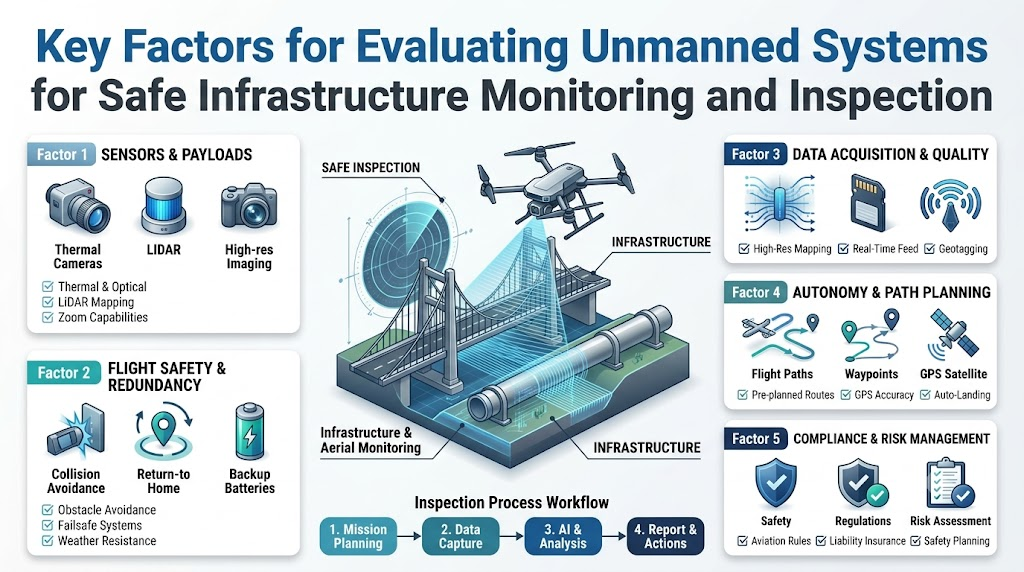
Thorough drone reviews reveal how an aircraft performs when tricky winds hit. Check sensor dimensions, total flight duration, and takeoff weight before clicking order. Flight time tells you exactly how many minutes one battery pack lasts in the air. Standard consumer models stay aloft between twenty and thirty-five minutes under normal conditions. Study signal range specs to confirm how far the digital connection reaches reliably. Solid fliers feature active obstacle avoidance systems that halt flight before striking walls. These automatic stops save high-value lenses from devastating damage.
Look at Parts and Software Support
Intuitive flight software keeps the aircraft balanced through unexpected crosswinds. Read community feedback regarding mobile flight app stability across various smartphones. Unstable control software freezes during flight and creates serious stress for the pilot. Then check the price and availability of extra propellers and replacement battery packs. Thin plastic props chip easily during grassy landings and need fast changes. Prompt customer support teams ship parts quickly to keep your craft flight-ready. Honest consumer write-ups showcase design shortcomings right alongside winning features.
Make a Simple Drone Comparison
Running a head-to-head drone comparison highlights crucial differences between rival machines right away. Do not choose an aircraft based solely on a dirt-cheap price tag. Ultra-cheap models usually lack satellite positioning and drift away in light breezes. They also exhaust weak power cells in just a few minutes. Weigh retail costs against long-term reliability, flight stability, and readily available spares. The table below outlines key items to inspect before buying your next flyer.
| Factor | What to Check |
| Camera | Optical sensor size and video resolution |
| Flight time | Total air minutes per single battery |
| Weight | Total ounces for regional flight rules |
| Range | Maximum clear radio distance |
| Safety | Crash-detection sensors and return triggers |
| Support | Fast parts delivery and warranty care |
| Price | Complete package cost with accessories |
Add Up the Real Cost of Ownership
Calculate all secondary gear expenses before completing your checkout. Most operators purchase three spare flight batteries to work without lengthy charging stops. Multi-port chargers, rugged transport cases, and high-speed memory cards add significant expenses. A low-cost aircraft becomes expensive once you tally up essential support gear. Compare total system costs across brands to ensure true value for your money. DronesBee offers clear specification tables to streamline this side-by-side research.
Finding the Best Drones for Your Job
The best drones match your daily project demands rather than vanity metrics. Beginners should pick lightweight flyers equipped with 360-degree prop guards. These forgiving frames bounce off obstacles without splintering into pieces. Traveling creators gravitate toward foldable camera models that slide easily into small travel pouches. Cinematic film crews buy heavy hexacopters that stabilize heavy movie cameras without jitter. Enterprise teams pick ruggedized frames that handle heavy dust and light drizzle easily.
| Drone Class | Primary User | Key Benefit |
| Mini Fliers | Beginners and Kids | Bounces off walls, very forgiving |
| Travel Rigs | Hikers and Travelers | Folds flat, carries high-capacity cells |
| Media Rigs | Filmmakers and Creators | Large glass sensors, motorized gimbals |
| Heavy Lift | Surveyors and Farmers | Dustproof, thermal lenses, heavy tanks |
Pick Features That Match Real Work
Bypass high-end technological upgrades that your team will never use in the field. Dual thermal-optical payloads add thousands of dollars to your retail total. A wedding photographer gains zero benefit from a high-priced thermal sensor. However, an electrical technician checking solar panels relies on thermal imaging every day. Align your equipment purchase strictly with the daily problems you solve.
When You Need Drone Services
Buying sophisticated UAV gear does not always make sound financial sense. Commercial aircraft require substantial upfront funds and regular technical tune-ups. Operators must also master civil aviation codes and pass licensing exams. Professional drone services relieve your business of equipment overhead and pilot training requirements. Enlisting a licensed pilot makes perfect sense for seasonal or occasional tasks. This strategy completely avoids crash repair costs and battery storage chores.
Avoid Gear Upkeep and Training
Flying platforms demand routine firmware updates, sensor calibrations, and clean storage setups. Commercial drone pilots manage these technical tasks as part of their day-to-day work. Certified operators carry proper flight licenses and commercial liability coverage. This protection shields your company from financial liabilities if an unexpected accident occurs. You simply outline your project specifications and receive finished digital assets. DronesBee enables commercial clients to discover verified local pilots without headaches.
How to Find Drone Pilots Near Me
Clients frequently hunt for drone pilots near me when organizing local shoots. Evaluate each candidate thoroughly before signing any service agreement. Request past flight records that match your specific project type. A pilot skilled in residential real estate might struggle with complex mine-pit mapping. Always ask to see current government flight credentials and commercial insurance certificates. Trustworthy pilots provide their official paperwork promptly upon request.
Ask About Safety and Final Deliverables
Clarify your expected digital files well before the flight operation begins. Decide whether your project requires raw video footage, edited clips, or high-resolution orthomosaic maps. Ensure the pilot flies the exact equipment necessary to create those files. Ask how the team handles sudden weather changes and heavy wind gusts. Responsible operators always prepare backup dates to handle bad flying weather. Working with pilots who know local airspace keeps your commercial site fully compliant.
Aerial Photography Services
Commercial aerial photography services present stunning visual angles from blue skies above. Real estate firms use aerial perspectives to market large properties effectively. Resort developers highlight expansive pools, private beaches, and scenic walking trails to potential travelers. General contractors document site evolution week by week using identical overhead angles. Regional tourism boards publish striking video campaigns that draw visitors to local attractions. Outstanding imagery requires much more than an automatic flying camera.
Why Pilot Skill Matters Most
Anyone can push a controller stick and launch a drone into the air. True professionals understand natural sunlight, balanced framing, and smooth motorized pans. They navigate tight flight paths safely without endangering anyone on the ground. Skilled pilots also know color grading techniques to produce crisp, vibrant visual assets. Review candidate portfolios closely to verify their artistic and technical abilities.
Drone Surveying Services
Modern drone surveying services transform thousands of high-altitude photos into pinpoint site maps. Aircraft fly across terrain while snapping high-resolution images along an automated grid pattern. Sophisticated mapping applications merge these overlapping photos into fully realized 3D models. Civil engineers use these models to measure cut-and-fill dirt volumes with ease. Survey teams catch elevation errors early before builders pour costly concrete foundations. This aerial method saves days compared to manual ground survey walks.
Tools and Accuracy for Land Work
Land mapping demands dedicated aircraft outfitted with real-time kinematic satellite receivers. These antennas communicate with ground stations to achieve centimeter-grade spatial accuracy. Standard consumer flyers lack the precise GPS hardware necessary for certified land surveys. Survey specialists program automatic flight paths that guide the drone along neat, parallel paths. The automated aircraft flies steady rows to ensure complete, gap-free imagery across the entire property.
Drone Inspection Services
Helpful drone inspection services keep maintenance personnel off dangerous ladders. Facility managers no longer send technicians up tall radio masts or steep factory roofs. Instead, an experienced pilot hovers an optical zoom camera inches away from suspect seams. Unmanned aircraft examine long utility corridors, towering wind turbines, and sprawling solar fields. They uncover metal corrosion, loose fasteners, and storm impacts in minutes.
The Limits of Drone Inspections
Flying cameras provide incredible speed, but they cannot replace all physical examinations. A zoom camera easily spots exterior rust on a highway bridge girder. However, the camera cannot tap the beam with a mallet to test metal thickness. It cannot turn stuck valves or tighten loose structural bolts. Drones serve as effective visual scouts that pinpoint problems before physical maintenance crews arrive.
Agricultural Drone Services
Modern agricultural drone services help farmers grow healthier crops while reducing costly inputs. Heavy-duty agricultural aircraft scan fields with multispectral sensors to detect invisible plant stress. These cameras spot dry soil conditions, fungal attacks, and weed blooms early. Heavy spray drones then apply fertilizer and treatments directly to distressed rows. This precise application saves money and shields groundwater supplies from unnecessary chemicals.
Farm Gear Differs From Toy Drones
Farm flyers look nothing like the compact drones people fly at neighborhood parks. Industrial agricultural machines feature large liquid tanks, wide spray booms, and high-torque motors. Their massive battery cells require powerful generators for rapid charging out in the field. Operating these heavy platforms requires specialized commercial permits and thorough safety protocols. Most growers contract certified spray crews instead of purchasing expensive equipment directly.
Real-Life Scenarios
- An independent builder tracks weekly construction: A general contractor needs to show building progress to clients living in another state. He avoids buying aircraft and studying flight rules by booking an experienced pilot for a short flight every Monday. He receives crisp overhead images promptly without maintaining batteries or software.
- A roofing crew inspects steep residential shingles: A local contractor inspects an old multi-story home following a heavy hail storm. Slippery, steep roofs present severe fall hazards for technicians. The crew flies a compact camera drone to locate cracked tiles safely from the front yard.
- A vineyard owner detects hidden irrigation leaks: A grape farmer flies a multispectral sensor over sixty acres of hillside vines. The resulting aerial map exposes two dry vine rows fed by a blocked irrigation pipe. The owner clears the line before the afternoon sun damages the crop.
Common Mistakes to Avoid
- Flying inside controlled airspace: Untrained pilots launch drones near airports and violate flight boundaries. Always study regional aviation maps before taking off.
- Picking a drone based only on price: Low-cost toys lack GPS stabilization and drift into nearby structures during mild breezes. Choose equipment with steady flight holds and return triggers.
- Disregarding low battery warnings: Inexperienced flyers ignore flashing warnings and crash during hasty emergency landings. Always bring your craft back home when power levels reach thirty percent.
- Working with uninsured operators: Businesses hire unvetted operators who damage property during shoots. Insist on seeing current certificates of liability insurance before hiring any pilot.
- Taking off during turbulent winds: Gusty weather easily pushes light aircraft into trees and power poles. Verify safe local wind speeds before powering on your motors.
- Packing insufficient storage cards: Massive 4K files fill up small memory cards fast during long shoots. Keep several fast, formatted memory cards inside your field bag.
- Overlooking damaged rotor blades: Tiny propeller nicks cause intense motor vibrations and erratic flight behavior. Inspect every blade edge carefully before every single takeoff.
- Relying blindly on proximity sensors: Obstacle sensors often miss thin telephone wires, guy lines, and fine branches. Maintain continuous visual sight of your drone throughout every flight.
How DronesBee Can Help
DronesBee consolidates the entire unmanned aviation ecosystem into an accessible online platform. The site offers verified drone reviews, comprehensive drone specifications, and direct head-to-head drone comparisons. Readers research modern aerial technologies without dealing with biased marketing claims. You also gain access to aviation safety updates, regulatory briefings, and practical flight tutorials.
When purchasing equipment is impractical, the platform connects you with regional flight specialists. Search the marketplace for qualified drone pilots near me to tackle complex industrial assignments. Find experienced teams ready for real estate shoots, boundary mapping, and structural audits. Check past pilot portfolios, submit project specifications, and secure clear price estimates easily.
Frequently Asked Questions
1. Can a beginner learn to operate a drone safely?
Satellite-assisted flight controls help modern drones hover stably in place without drifting. The aircraft holds its exact position even when you release the control sticks entirely. Beginners should practice in wide, open fields far from power lines and trees. Read the instruction manual thoroughly and fly at low altitudes until you feel confident.
2. Do recreational flyers need official licenses?
Hobby pilots must take a brief online safety test in many jurisdictions. Operating a drone to earn money requires a commercial pilot license from your national aviation agency. You must also register your aircraft if its takeoff weight exceeds 250 grams. Always check regional flight laws before launching your drone outdoors.
3. How many minutes do drone batteries typically last?
Consumer aircraft fly for twenty to thirty-five minutes per battery under fair weather conditions. Cold ambient air and heavy head-winds drain power cells much faster. Carrying heavy camera accessories also shortens overall flight duration noticeably. Experienced pilots always pack extra batteries to complete projects without long charging breaks.
4. How do mapping aircraft differ from photo drones?
Mapping aircraft prioritize exact spatial data over artistic color profiles. They use specialized satellite correction receivers that record camera positions down to the centimeter. They also rely on automated flight software that navigates parallel survey grids. Standard consumer camera craft lack this precision satellite hardware.
5. Can commercial drones operate safely in the rain?
Standard consumer flying machines lack water seals, so rain easily ruins their sensitive electronics. Moisture also coats the camera lens and makes landings hazardous on wet grass. However, specialized commercial platforms include weather seals for wet operations. Always land immediately when rain begins unless your manual guarantees water resistance.
6. Why should a business hire a pilot instead of buying gear?
Hiring an external operator saves money when your company needs aerial data only a few times a year. High-end aircraft and processing software demand massive upfront investments. You also eliminate the burdens of pilot licensing, airspace permits, and insurance policies. Outside specialists bring professional gear and deliver completed assets quickly.
7. What safety features prevent a drone from flying away?
Reliable aircraft include automated return-to-home systems that activate if the radio connection fails. The aircraft uses stored GPS points to fly directly back to its launch spot. It then descends gently to the ground without human intervention. Operators can also press a return button to recall the craft whenever needed.
8. What is the maximum legal flying altitude?
Aviation authorities generally restrict unmanned flights to 400 feet above ground level. This ceiling prevents small craft from interfering with full-size passenger planes and helicopters. Flying above 400 feet creates extreme risks for human air traffic. Always respect this height restriction and give right-of-way to manned aircraft.
9. Can flying cameras replace human inspectors entirely?
Drones cannot completely replace human inspection workers on commercial job sites. A flying lens spots rust stains, missing shingles, and cracks in concrete. However, an aircraft cannot tap steel beams to assess core strength or replace broken bolts. Drones handle preliminary scouting so human teams stay out of dangerous areas.
10. Which features make a drone great for traveling?
Travel-ready models should weigh less than 250 grams and include folding arms. Lightweight machines pass through travel inspections with minimal red tape and slip into backpacks. Long battery endurance reduces the need for heavy charging hubs on the road. Rapid wireless file transfers help users share footage easily while traveling.
11. How do farmers benefit from aerial multispectral sensors?
Farmers use aerial sensors to track vegetative health trends throughout the growing season. Multispectral images reveal hidden moisture stress, nutrient deficiencies, and weed infestations early. High-capacity agricultural drones then apply targeted fertilizer only to affected rows. This localized care saves operational cash and prevents chemical runoff into local streams.
12. How does DronesBee connect clients with flight specialists?
DronesBee lets business clients search a curated marketplace of licensed and insured commercial operators. Users sort pilots by specific project capabilities and regional location. You can inspect past work samples, read client reviews, and request project quotes directly. This open directory makes hiring experienced commercial flight teams fast and simple.
Conclusion
Every successful aerial mission begins with a clear understanding of your specific project needs. Define your main goals, study comprehensive drone reviews, and check drone specifications carefully before buying hardware. Weigh total ownership expenses, follow local flight regulations, and hire certified pilots for complex technical projects. Platforms like DronesBee make it simple to compare models or find skilled local service providers. Choose the drone for the job, not just the drone with the biggest feature list.
