Introduction
Receiving a serious diagnosis brings immediate emotional weight and practical challenges. Families must navigate complex medical terminology while searching for trusted clinical care. Discovering the right medical facility requires structured information, patience, and clear guidance.
A comprehensive discovery portal simplifies this journey significantly. When patients review specialized facilities through CancersHospitals, they gain direct access to organized medical resources. This clarity helps individuals evaluate clinical expertise, modern infrastructure, and personalized therapeutic approaches effectively during critical decision-making moments.
What Should You Look for in Cancer Hospitals?
Selecting the right facility requires evaluating objective clinical benchmarks rather than promotional claims. The best cancer hospitals maintain dedicated research divisions, multidisciplinary tumor boards, and robust patient support systems.
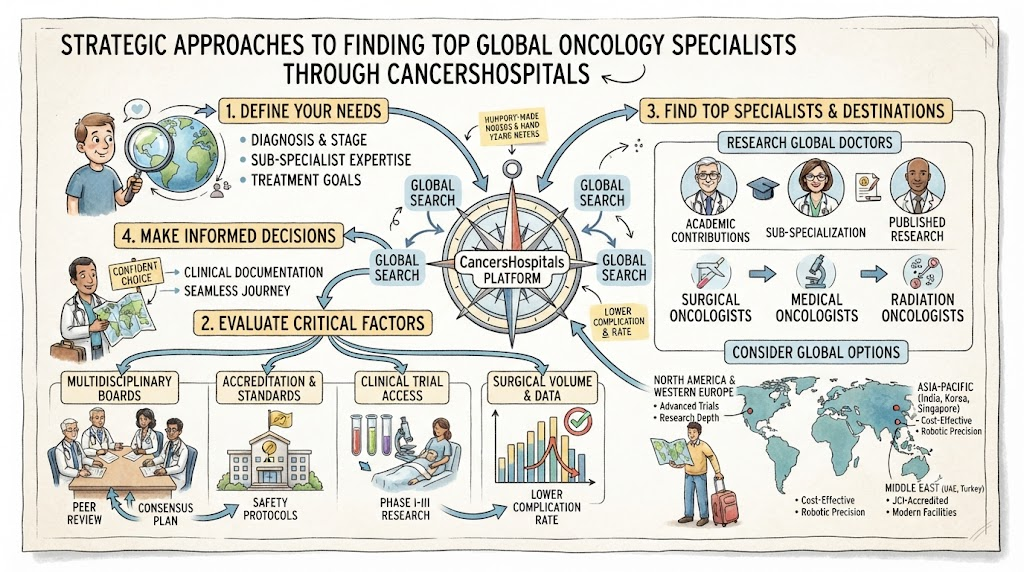
- Accreditation and Standards: Look for international quality marks like JCI (Joint Commission International) or national equivalents that enforce rigorous clinical protocols.
- Multidisciplinary Tumor Boards: Ensure medical, surgical, and radiation oncologists collaborate on individual patient treatment plans weekly.
- Nurse-to-Patient Ratio: High-acuity oncology units should maintain low ratios (ideally 1:2 in intensive settings) to guarantee dedicated monitoring.
- Clinical Trial Access: Top centers regularly run Phase II and Phase III trials, granting access to emerging therapies before wide release.
Quality oncology hospitals integrate holistic support alongside standard treatments. Look for institutions that provide dedicated oncology nutritionists, physical therapists, and psycho-oncology counseling to assist recovery at every stage.
Understanding Cancer Treatment Options
Modern oncology focuses on personalized medicine rather than standard, one-size-fits-all regimens. Leading cancer treatment hospitals utilize advanced diagnostic tools, including next-generation genomic sequencing, to identify tumor vulnerabilities and tailor precise therapeutic plans.
| Treatment Category | Primary Mechanism | Best Suited Clinical Scenarios | Typical Setting |
| Surgical Oncology | Direct physical resection of localized solid tumors | Early-stage localized cancers; debulking procedures | Inpatient Operating Suite |
| Targeted Therapy | Small-molecule drugs inhibiting specific genetic mutations | Cancers with confirmed genetic biomarkers (e.g., EGFR, BRAF) | Outpatient Oral / Infusion |
| Immunotherapy | Checkpoint inhibitors activating native immune cells | Advanced solid tumors, melanoma, non-small cell lung cancer | Outpatient Infusion Day-Care |
| Precision Radiation | Stereotactic radiation focusing ionizing beams precisely | Inoperable tumors, brain metastases, residual tissue | Dedicated LinAc Outpatient Suite |
Multimodal treatment protocols often combine these approaches systematically to lower recurrence rates and improve overall survival outcomes.
How to Compare the Best Cancer Treatment Hospitals
Finding the best cancer treatment hospitals requires assessing clinical volume, technological infrastructure, and documented patient survival outcomes.
[ Step 1: Verify High-Volume Specialty Experience ]
                       │
                       ▼
[ Step 2: Confirm Available On-Site Precision Technology ]
                       │
                       ▼
[ Step 3: Evaluate Multidisciplinary Board Integration ]
                       │
                       ▼
[ Step 4: Compare Post-Treatment Recovery Infrastructure ]
- Assess Procedural Volume: In surgical oncology, high-volume centers consistently demonstrate lower complication rates and superior long-term survival statistics.
- Review On-Site Technology: Advanced options like CyberKnife, TrueBeam, proton beam therapy, and robotic surgical suites should be fully integrated into the main facility.
- Verify Emergency Response Protocols: Comprehensive oncology centers must maintain 24/7 dedicated oncology intensive care units to manage acute treatment-related complications.
Researching the Best Cancer Doctors
A successful clinical pathway depends directly on the expertise of the primary care team. Identifying the best cancer doctors involves researching academic contributions, board certifications, and specialized focus in your exact tumor sub-type.
- Sub-Specialty Focus: An oncologist focusing exclusively on gastrointestinal or thoracic cancers will be more familiar with rare nuances than a generalist.
- Peer-Reviewed Research: Clinicians who publish regularly in recognized oncology journals stay at the cutting edge of novel therapies.
- Clear Communication: Choose specialists who explain complex risks transparently and welcome independent second opinions without hesitation.
Engaging with a specialized physician ensures treatment decisions align closely with international standards of care.
When Should You Consider Cancer Treatment Abroad?
Seeking cancer treatment abroad is an important option when local therapies are limited, waiting times are long, or specialized procedures are unavailable domestically.
“Traveling for medical care allows patients to access advanced clinical trials and breakthrough therapies that might take several years to receive regulatory approval in their home countries.”
- Access to Advanced Therapies: Specialized centers overseas may offer therapies like proton beam or CAR-T cell treatments not yet accessible locally.
- Cost Efficiency: Comprehensive care packages in recognized medical destinations can reduce overall out-of-pocket costs without lowering quality standards.
- Reduced Waiting Times: Direct international pathways enable patients to start urgent surgical or systemic treatments immediately.
Exploring Cancer Hospitals Around the World
The landscape of cancer hospitals includes world-class institutions across North America, Europe, Asia, and the Middle East. Each destination offers distinct clinical strengths and specialized facilities.
The best cancer hospitals in the world consistently lead global clinical research and establish international standards. For patients pursuing international cancer treatment, evaluating hospital networks worldwide helps align medical requirements, travel logistics, and personalized care.
How CancersHospitals Can Help With Your Research
Navigating international and domestic medical care can feel overwhelming. The research platform streamlines this process by organizing critical data into an accessible format.
- Centralized Hospital Directory: Compare accredited global oncology centers based on specialties, infrastructure, and international patient accreditations.
- Physician Profiles: Review credentials, specialized treatment expertise, and clinical focus areas for leading oncology specialists.
- Comprehensive Procedure Details: Gain clear information on modern surgical, systemic, and radiation therapies to help facilitate informed discussions with doctors.
Patients can research the best hospital for cancer treatment thoroughly before taking the next steps in their medical journey.
Questions to Ask Before Choosing a Hospital
Preparing specific questions helps patients evaluate medical facilities with confidence and clarity.
- What is the multidisciplinary team’s weekly case volume for my specific cancer diagnosis?
- Which exact genomic tests or biomarker profiles will guide my therapy plan?
- Are all necessary diagnostic, surgical, and emergency services housed within the same facility?
- What dedicated support services are available for international or out-of-town patients?
- What clinical trials or experimental therapies am I eligible to join at this center?
Frequently Asked Questions About CancersHospitals
How does CancersHospitals help patients research care options?
The platform consolidates verified information on accredited treatment centers, specialist backgrounds, and modern oncology procedures into a single, easily searchable directory.
Can I compare domestic and international medical centers on the platform?
Yes. The platform allows users to explore both local hospitals and international oncology destinations side by side to evaluate facilities, expertise, and available procedures.
What details are provided regarding oncology specialists?
Doctor listings highlight board certifications, clinical sub-specialties, primary hospital affiliations, and focused expertise across different cancer types.
Is the hospital information on the website updated regularly?
The platform routinely reviews institutional profiles, available technologies, and medical accreditations to maintain accurate and reliable reference information for patients.
Does researching facilities on the platform incur any service fees?
No. Patients and family members can search the directory, compare institutional features, and explore treatment options freely.
How can I verify if a medical center treats rare cancer types?
You can search by specific condition, review detailed hospital profiles, and check whether a center features specialized clinics or multidisciplinary teams dedicated to rare diagnoses.
What should I look for when reviewing an international oncology center?
Look for recognized international accreditations (like JCI), dedicated international patient support teams, on-site translation services, and transparent medical coordination processes.
Does the platform recommend specific treatments for my diagnosis?
No. The information provided is strictly for educational and research purposes and is designed to support, not replace, direct consultation with a qualified oncologist.
Can I find information about advanced therapies like proton beam or immunotherapy?
Yes. The platform categorizes institutions by available technologies and treatments, helping patients locate centers equipped with specialized therapy suites.
What steps should I take after identifying a potential hospital?
Prepare your complete medical records, summarize your clinical history, write down key questions, and reach out directly to the institution’s consultation or international patient department.
Final Thoughts
Navigating a cancer diagnosis requires a clear plan, objective information, and access to experienced medical specialists. By researching multidisciplinary teams, comparing clinical capabilities, and understanding all available therapeutic options, patients and families can approach major treatment decisions with greater clarity and confidence. Take the time to gather records, seek expert second opinions, and select a healthcare environment that fully supports your medical and personal needs throughout the recovery journey.
